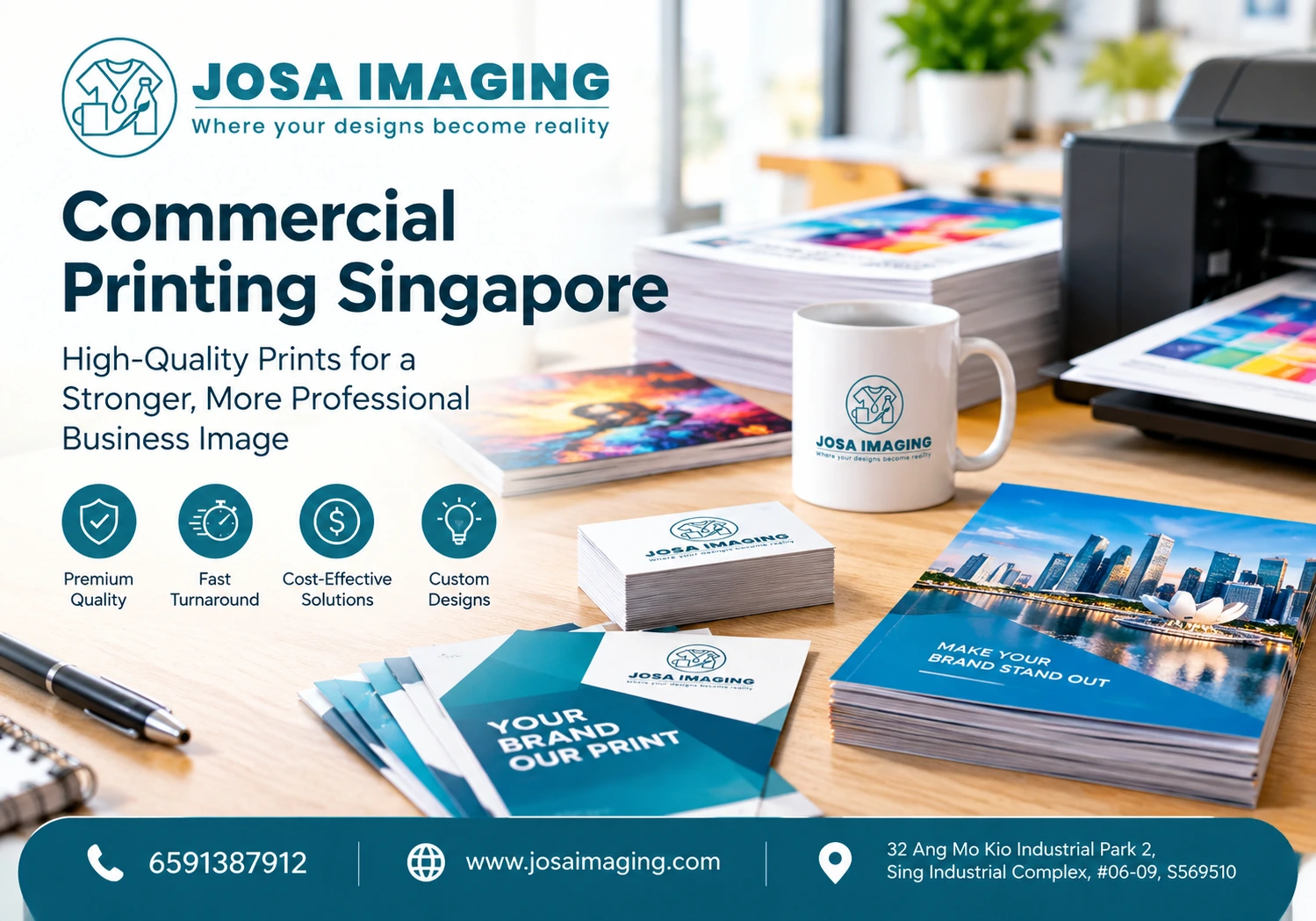
Choosing a print supplier is rarely just about price. Whether you are ordering staff uniforms, event T-shirts, brochures or branded merchandise, the result carries your name. This guide explains how commercial printing Singapore works, what to compare between suppliers, and how to avoid the mistakes that cause delays, wasted budget and disappointing results.
What Is Commercial Printing?
Commercial printing is the production of printed materials in bulk for businesses, organisations and groups. It covers everything from marketing collateral and stationery to apparel, signage and promotional gifts.
The main difference from home or office printing is scale, consistency and finish. A good commercial printer delivers the same colours and quality across 20 pieces or 2,000.
What Types of Commercial Printing Services Do Businesses Need?
Most organisations use several types of printing over a year. Knowing the categories helps you brief suppliers accurately.
Custom Apparel and T-Shirt Printing
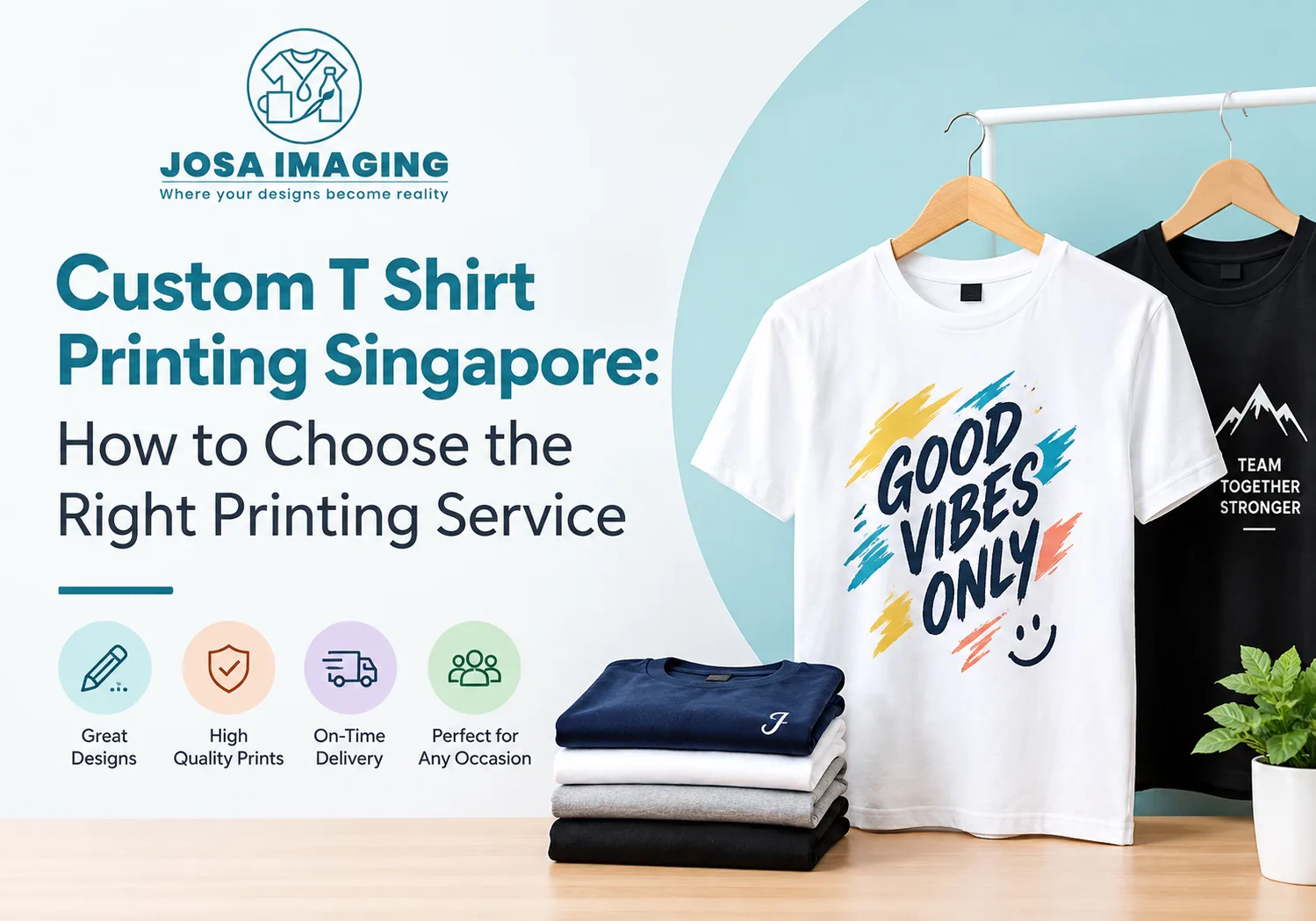
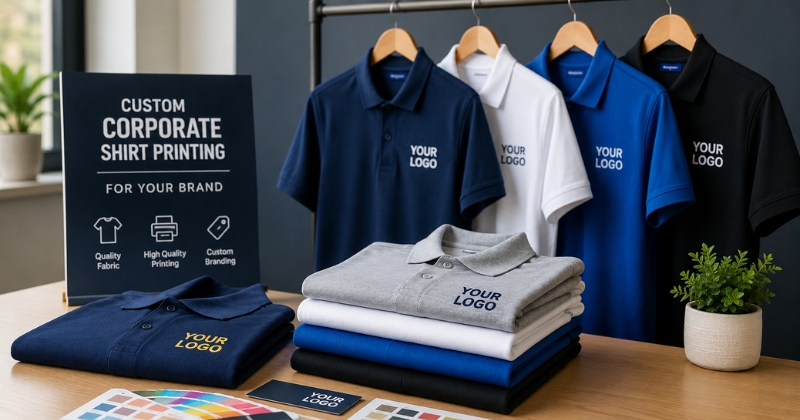
Corporate teams, schools, sports clubs and event organisers often order uniforms, team jerseys, polo shirts and event tees. Quality depends on the fabric, print method and artwork resolution. For a deeper comparison of suppliers in this area, see our guide to the best corporate shirt printing shops.
Marketing and Corporate Stationery
This includes business cards, flyers, brochures, letterheads, banners and posters. Paper weight, finish (matte, gloss or soft-touch) and colour accuracy matter most here.
Promotional Merchandise and Gifts
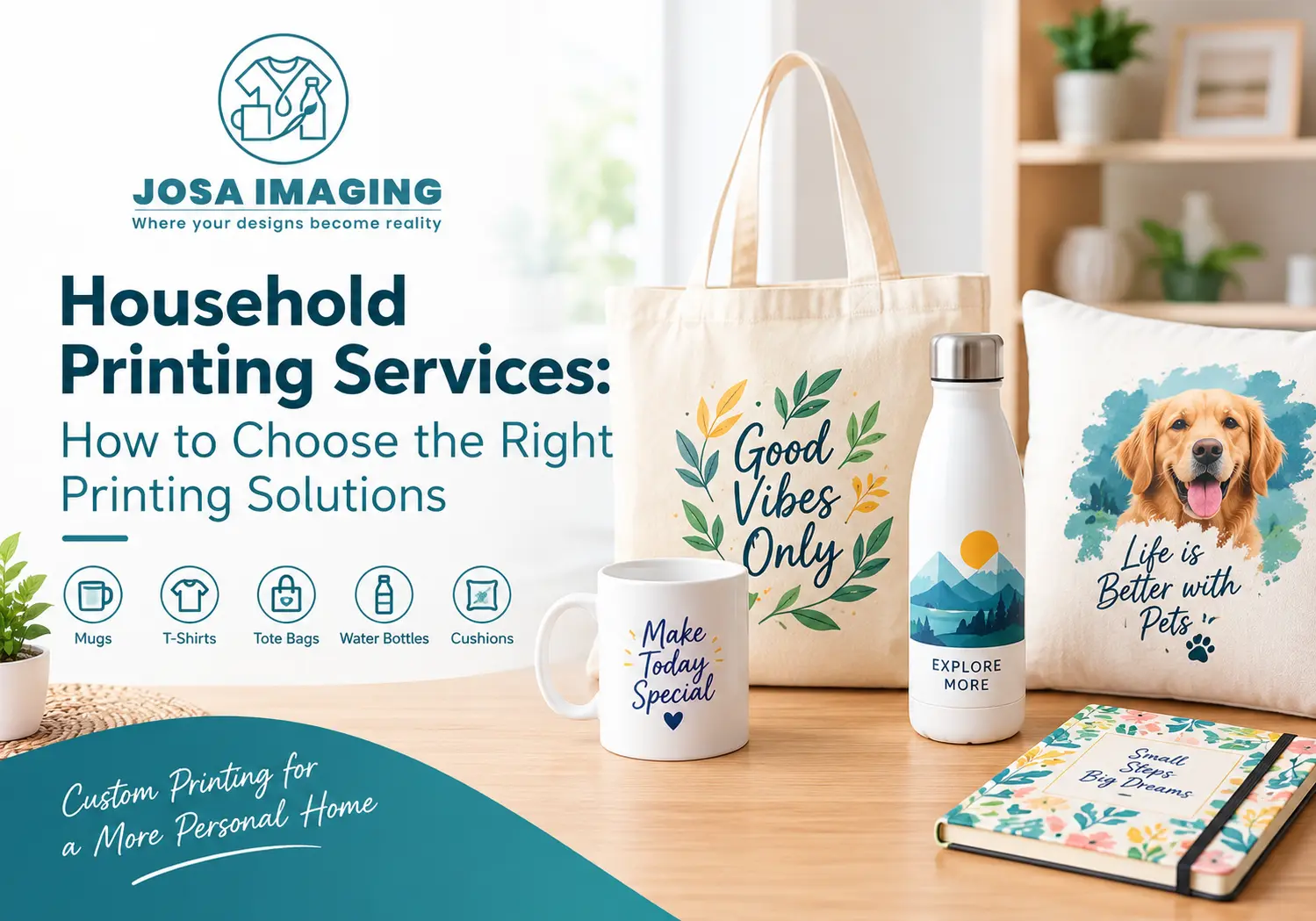
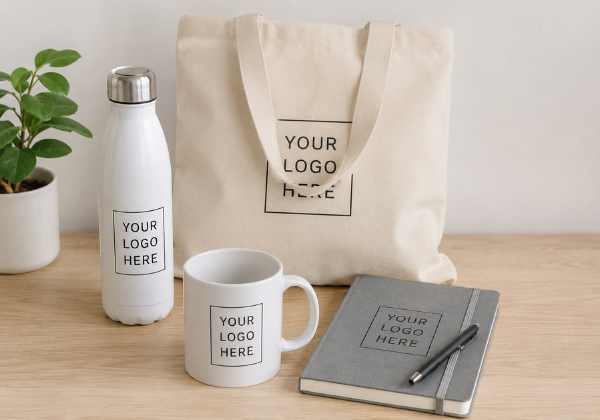
Items such as tote bags, notebooks, lanyards and drinkware keep your brand visible long after an event. If you need drinkware, a specialist in mug printing singapore can advise on ceramic quality and dishwasher-safe finishes.
Event and Gift Printing
Conferences, weddings, graduations and school events often need a personalised door gift for guests. These orders are usually time-sensitive, so planning early is essential.
How Do You Choose the Right Commercial Printing Singapore Partner?
Use the following checklist when comparing suppliers. It works for a first-time order or a long-term contract.
- Range of services. A supplier that handles apparel, stationery and gifts under one roof saves you managing several vendors.
- Print quality and samples. Ask to see physical samples or previous work, not just digital mock-ups.
- Turnaround time. Confirm production time and delivery separately, and ask what happens if a deadline is at risk.
- Minimum order quantities. Some methods suit small runs, others only make sense in bulk.
- Artwork support. A good printer checks your files and flags problems before production starts.
- Transparent pricing. Quotes should state setup fees, per-unit costs, delivery and any revision charges.
- Communication. A named contact who replies promptly is worth more than a slightly lower quote.
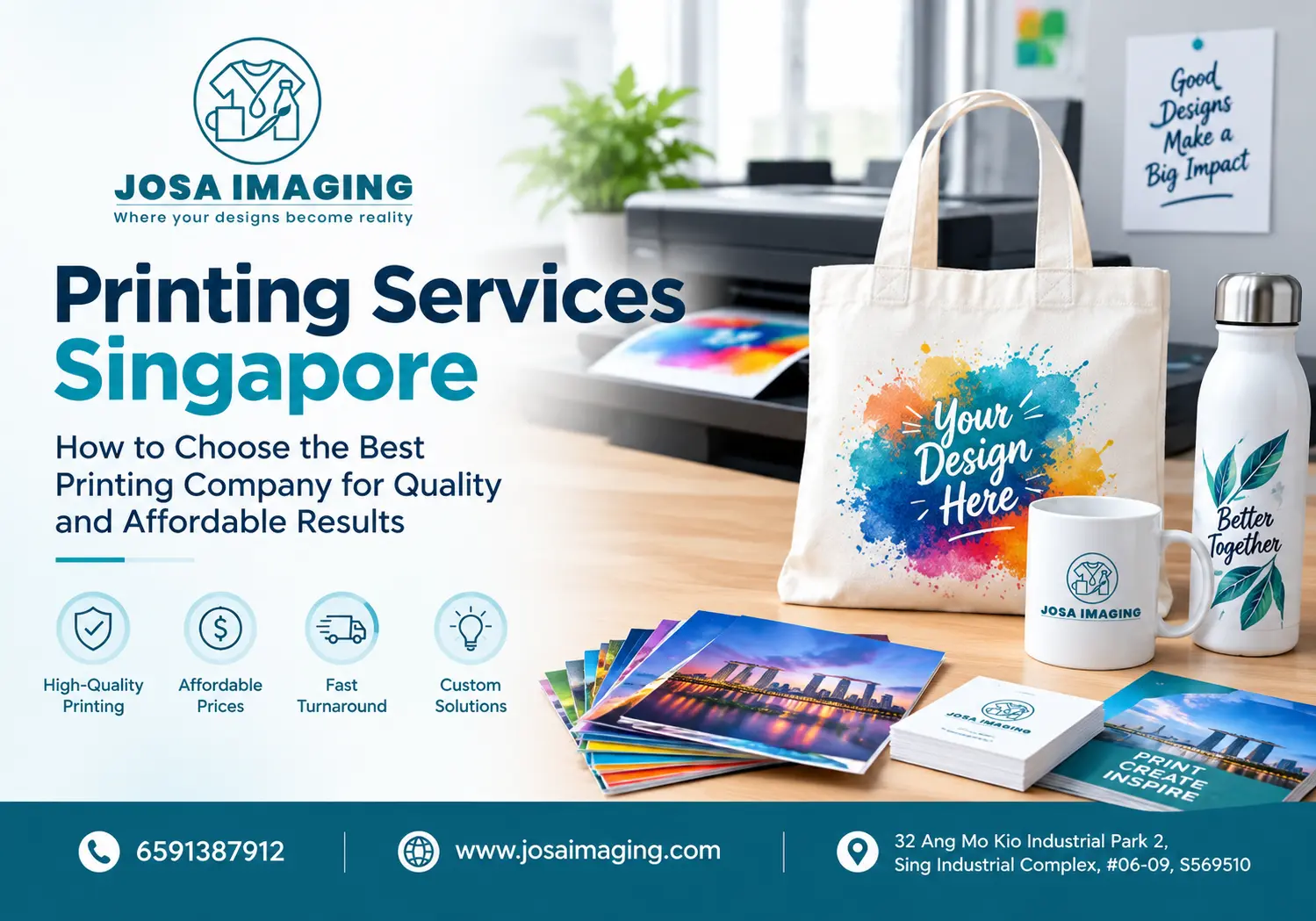
If you are still shortlisting, our article on how to choose the best printing company in Singapore goes into more detail on evaluating providers.
Which Printing Method Is Right for Your Project?
Different methods suit different materials and quantities. Here is a plain-English overview.
- Screen printing: Ink is pushed through a stencil onto fabric. It is durable and cost-effective for larger runs with fewer colours.
- Heat transfer vinyl (HTV): Cut vinyl is pressed onto the garment. It suits names, numbers and simple logos, such as sports jerseys.
- Direct-to-film (DTF): A design is printed onto film and transferred to fabric. It handles full-colour artwork well and works for small and medium quantities.
- Sublimation: Dye is converted into the fibres or coating of a material. It works best on light-coloured polyester fabrics and coated items such as mugs.
- Digital printing: Ideal for paper-based items, short runs and designs that change between batches.
- Offset printing: Typically chosen for high-volume paper products where unit cost needs to be low.
There is no single “best” method. The right choice depends on your material, colour count, budget and how long the product needs to last.
How Much Does Commercial Printing Cost?
Prices vary by project, so be cautious of any supplier quoting a flat figure without asking questions. The main cost drivers are:
- Quantity ordered
- Material or garment quality
- Number of colours and print locations
- Print method and setup requirements
- Artwork complexity and revisions
- Delivery or rush-order requirements
Ordering in larger quantities generally reduces the per-unit cost, but only if you are confident in the design and sizing. For apparel, collecting accurate size information early avoids costly reorders.
How Should You Prepare Your Artwork?
Poor artwork is one of the most common causes of delays. A few simple steps help.
- Use vector files where possible (AI, EPS or PDF) for logos, so they stay sharp at any size.
- Supply high-resolution images, ideally 300 DPI at the final print size, for photographs.
- Convert text to outlines or supply fonts so the design does not change.
- Check colours. Screens show colours differently from print, so ask for a proof and provide Pantone references if brand colour matters.
- Allow for bleed (extra margin beyond the cut line) on paper products.
Always approve a proof before full production. It is the cheapest way to catch typos and placement errors.
What Mistakes Should You Avoid?
- Choosing on price alone. The cheapest quote may use thinner fabric or lower-grade ink that fades after repeated washing.
- Leaving it late. Rushed jobs leave little room for proofing or correcting errors.
- Skipping a sample. For large orders, a single test piece can save a great deal of money.
- Guessing sizes. Request a size chart and collect sizes in advance.
- Ignoring care instructions. Washing printed garments inside out in cool water helps prints last longer.
Why Does Local Support Matter?
Working with a local supplier makes sample checks, collection and urgent amendments far easier. Many businesses begin by searching for a printing shop near me and then judge providers on responsiveness and the quality of past work.
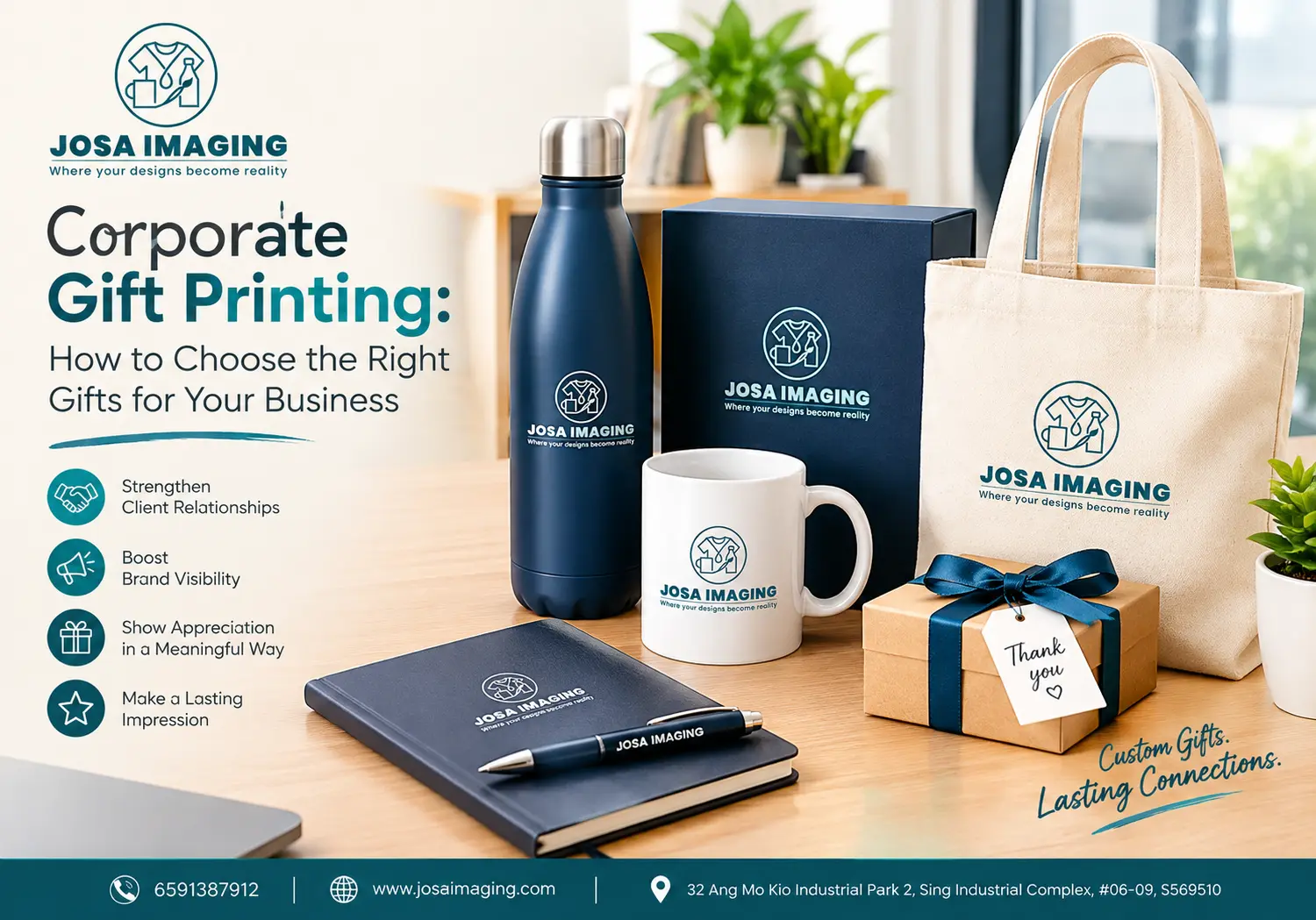
Local expertise also helps with practical needs such as event deadlines, bulk deliveries to offices or schools, and repeat orders when new staff join. For broader gifting ideas, our corporate gift printing guide offers further inspiration.
Frequently Asked Questions
1. What is commercial printing?
Commercial printing is the large-volume production of printed items for businesses and organisations, including apparel, stationery, marketing materials and promotional gifts.
2. How long does a typical order take?
Timelines depend on the product, method and quantity. Simple items can be ready within days, while larger or customised orders take longer. Always confirm production and delivery dates in writing.
3. What is the best printing method for custom T-shirts?
It depends on your design and quantity. Screen printing suits large runs with few colours, while DTF suits detailed, multi-colour designs in smaller batches.
4. What file format should I send for printing?
Vector files (AI, EPS or PDF) are best for logos. For images, send high-resolution files, ideally 300 DPI at final size.
5. Can I order a small quantity?
Often yes, though minimum order quantities differ between suppliers and methods. Digital and DTF processes are generally more flexible for small orders.
Conclusion: Choosing Commercial Printing Singapore Businesses Can Rely On
The best commercial printing Singapore providers combine consistent quality, clear communication, honest pricing and reliable deadlines. Compare samples, ask detailed questions, prepare your artwork properly and always approve a proof before production.
JoSa Imaging is a trusted name for businesses, schools, sports teams and event organisers seeking dependable printing services singapore. From custom T-shirts to corporate gifts and event merchandise, the team focuses on practical advice and consistent results, so your brand is represented well every time.